Quantum computing represents one of the most transformative technological frontiers of our time. This revolutionary approach to computation harnesses quantum mechanical principles to process information in ways that classical computers simply cannot match. Unlike traditional computers that use bits (0s and 1s), quantum computers utilize quantum bits (qubits) that can exist in multiple states simultaneously through quantum properties like superposition and entanglement.
AI governance encompasses the frameworks, policies, and practices that guide the responsible, ethical, and safe development and usage of AI systems. As defense agencies increasingly rely on artificial intelligence for mission-critical operations, the need for robust governance frameworks has never been more pressing. From managing potential biases to preventing security breaches and ensuring ethical deployment, AI governance serves as the foundation for responsible AI utilization.
In today’s rapidly evolving technological landscape, AI ethics has emerged as a critical framework guiding the responsible development and deployment of artificial intelligence systems. As AI increasingly influences decision-making across sectors, particularly in defense, understanding and implementing ethical principles becomes paramount for ensuring these powerful tools serve society’s best interests while minimizing potential harm.
Artificial Intelligence (AI risk) represents the probability and potential impact of adverse consequences arising from the use, misuse, or unintended operation of AI systems. In the governmental context, these risks span from biased decision-making and discrimination to data breaches and compromised public trust. The stakes are particularly high as AI tools increasingly influence citizen rights, safety, and access to public services.
In today’s rapidly evolving technological landscape, AI infrastructure stands as a critical foundation for government agencies seeking to modernize their operations and enhance public service delivery. The development of a scalable AI infrastructure roadmap has become increasingly vital for agencies looking to leverage artificial intelligence effectively while maintaining security and compliance standards.
In today’s AI-driven landscape, data readiness has emerged as a critical factor determining the success or failure of artificial intelligence and machine learning initiatives. But what exactly is data readiness, and why is it so crucial for organizations working with complex datasets like patents?
Data integration is the systematic process of combining data from multiple sources to create a unified, consistent, and actionable perspective for organizations. In an era where data drives decision-making, the ability to seamlessly integrate information from disparate sources has become not just beneficial but essential for operational success.
In today’s rapidly evolving technological landscape, experimentation has become the cornerstone of innovation and competitive advantage. This systematic process of testing hypotheses through controlled environments enables organizations to measure, learn, and iterate their way to success. As artificial intelligence (AI) continues to reshape industries, the need for effective experimentation approaches has never been more critical.
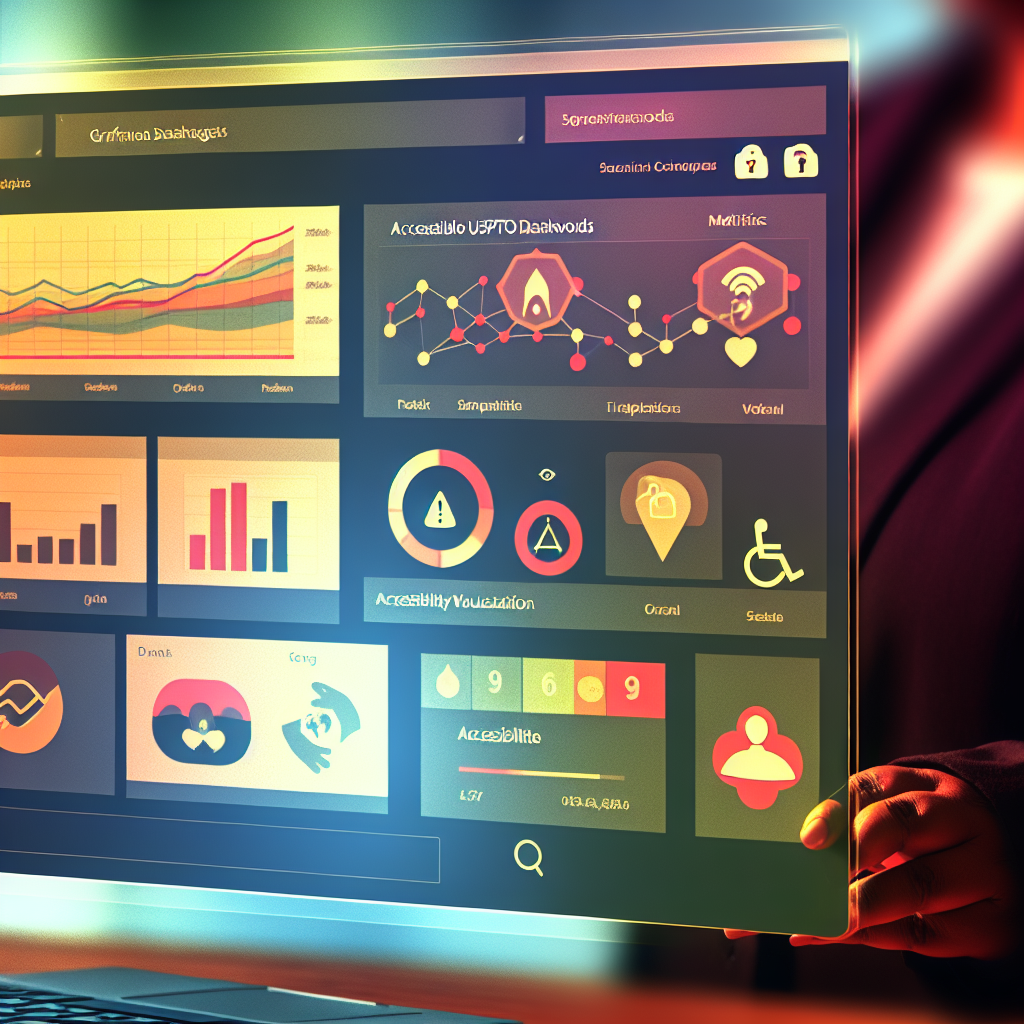
Metrics visualization has become the cornerstone of modern data analysis, transforming complex raw data into intuitive visual formats that drive informed decision-making. At its core, metrics visualization enables organizations to convert intricate datasets into actionable insights through charts, graphs, and interactive dashboards. This comprehensive guide focuses specifically on implementing Grafana dashboards for USPTO KPIs while ensuring compliance with federal dashboard accessibility standards.
In today’s digital landscape, organizations are increasingly turning to Robotic Process Automation (RPA) to transform their operations by automating repetitive, rule-based tasks. Document classification, a critical component of modern business processes, stands to benefit significantly from this automation revolution. By implementing RPA solutions, organizations can accelerate decision-making processes and substantially reduce manual effort in document handling and classification tasks.
The landscape of patent processing and examination is undergoing a revolutionary transformation through intelligent automation. As government agencies and intellectual property offices worldwide seek to enhance their operational efficiency, the integration of automation tools has become not just an option, but a necessity. This comprehensive guide explores how intelligent automation is reshaping patent workflows while delivering measurable returns on investment.
In today’s digital landscape, blockchain technology is revolutionizing how we protect and manage intellectual property (IP). This transformative technology, with its decentralized and distributed ledger system, offers unprecedented opportunities for secure, transparent, and immutable record-keeping. As online content sharing accelerates and digital asset theft becomes increasingly sophisticated, the need for robust intellectual property protection has never been more critical.
In an era where digital transformation is reshaping government operations, distributed ledger technology (DLT) emerges as a groundbreaking solution for federal records management. This decentralized database system, shared and synchronized across multiple network participants without central authority oversight, promises to revolutionize how federal agencies handle sensitive information.
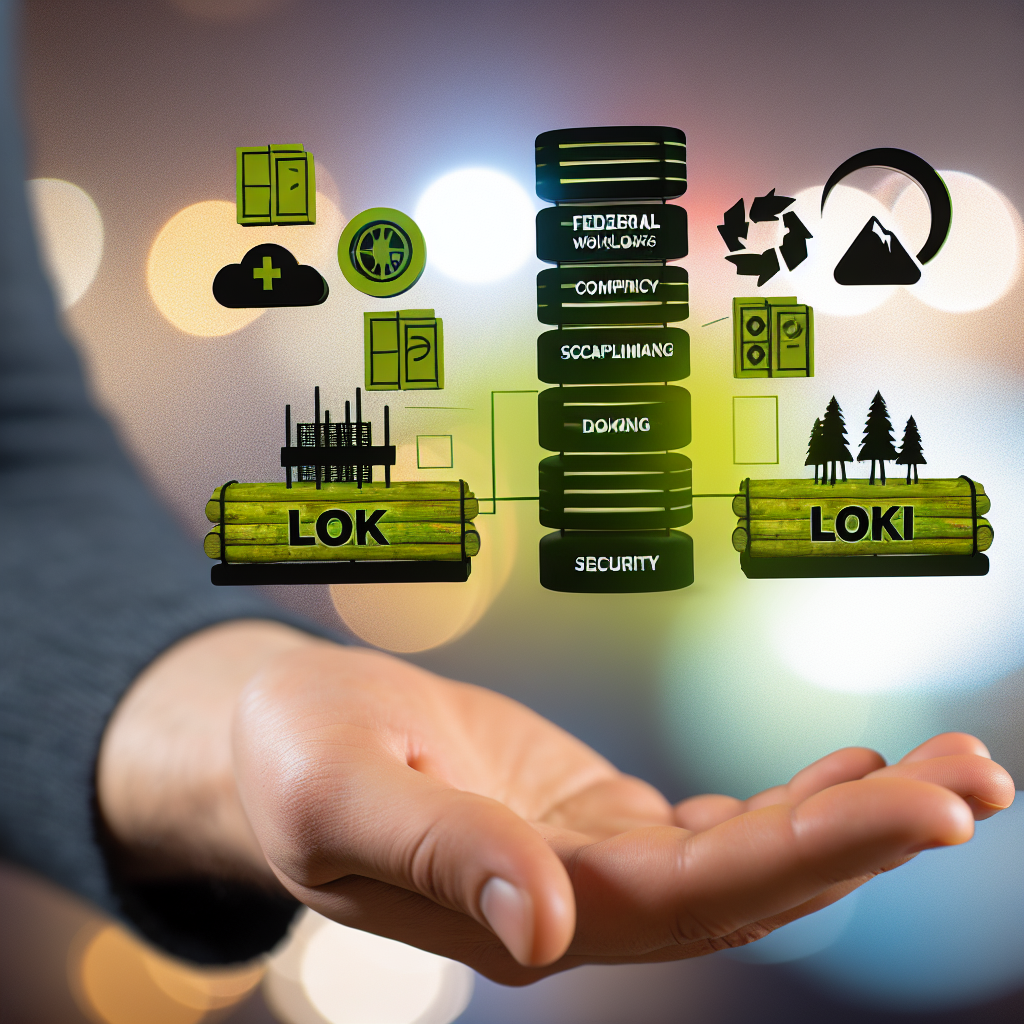
Log aggregation is the systematic process of collecting, centralizing, and managing log data from diverse sources across an organization’s IT infrastructure. This includes servers, applications, networking devices, and various endpoints, all consolidated into a single, manageable platform.
In today’s interconnected digital landscape, distributed tracing serves as a powerful technique for observing and analyzing application requests across distributed systems and microservice environments. This methodology provides developers with crucial visibility into the complete lifecycle of transactions, from initial user interaction through various backend services to final completion.
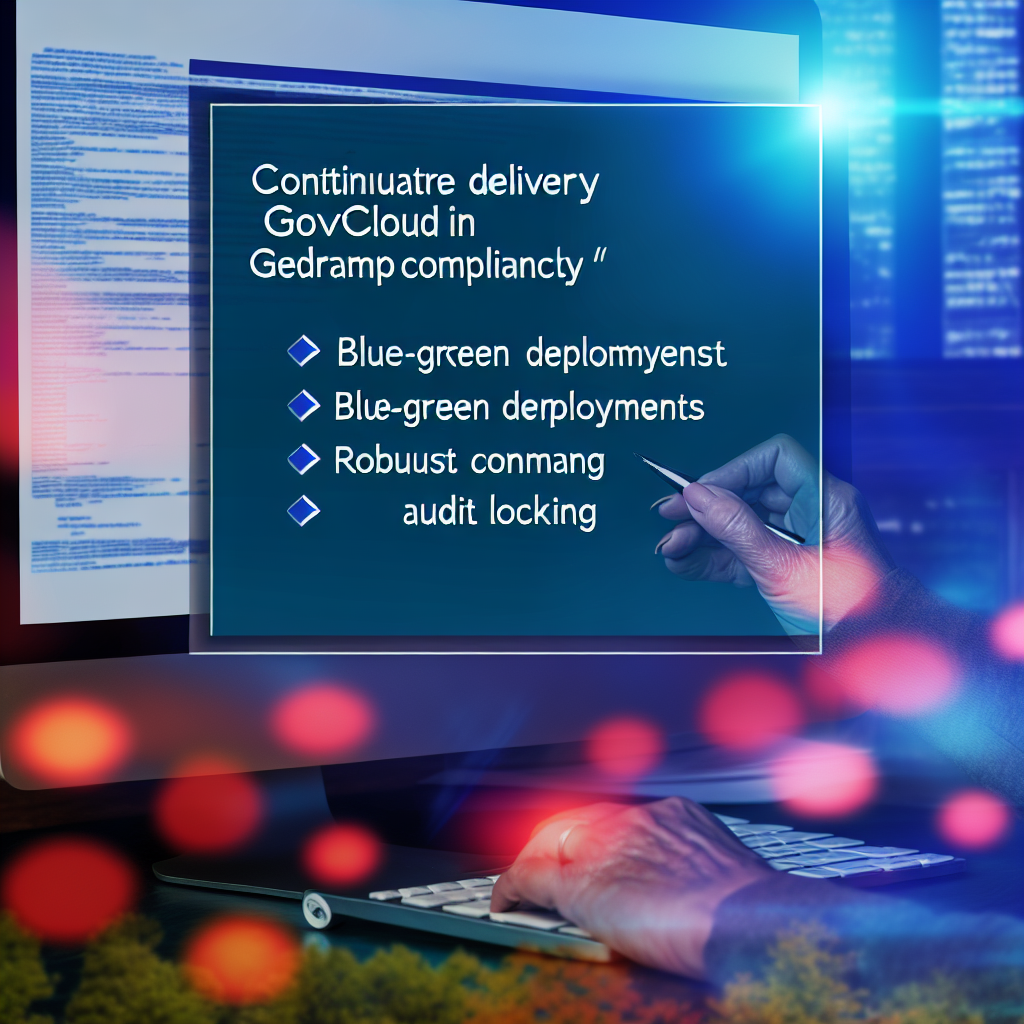
Continuous integration represents a fundamental shift in software development practices, where developers regularly merge their code changes into a central repository. Each integration automatically triggers builds and tests, enabling teams to detect and address integration issues early in the development cycle. According to AWS and CircleCI, this approach significantly reduces integration problems and allows teams to develop cohesive software more rapidly.
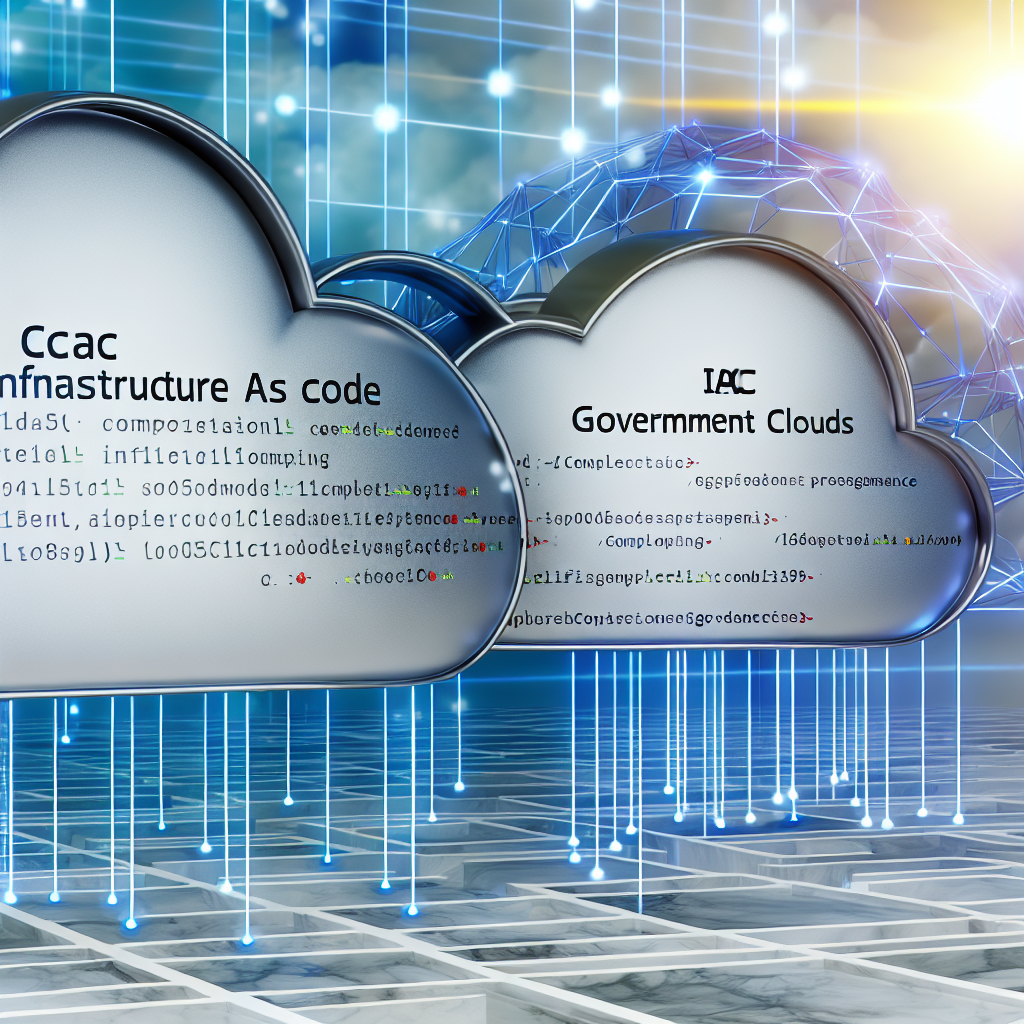
Infrastructure as Code represents a paradigm shift in infrastructure management, allowing organizations to manage their IT environments through code rather than manual processes. This approach involves writing and maintaining scripts or configuration files that define the exact state and configuration of all infrastructure components, from virtual machines to networks and storage systems.
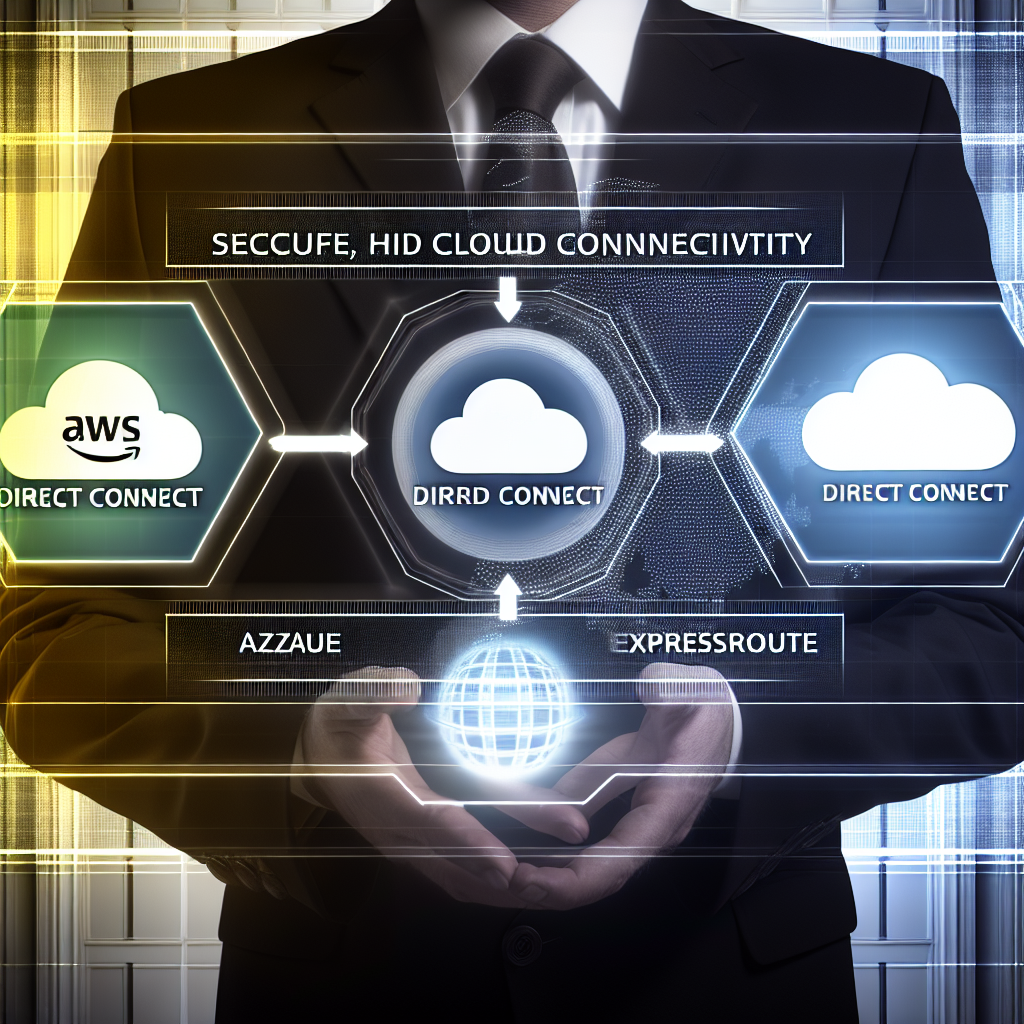
In today’s rapidly evolving digital landscape, hybrid cloud has become a cornerstone of federal IT modernization. This sophisticated IT architecture seamlessly blends on-premises resources with third-party cloud services, enabling data and applications to operate across multiple environments while maintaining strict security and compliance standards.
4229 Lafayette Center Dr ,
Suite #1625, Chantilly, VA 20151
 Quantum computing represents one of the most transformative technological frontiers of our time. This revolutionary approach to computation harnesses quantum mechanical principles to process information in ways that classical computers simply cannot match. Unlike traditional computers that use bits (0s and 1s), quantum computers utilize quantum bits (qubits) that can exist in multiple states simultaneously through quantum properties like superposition and entanglement.